LOCAL VIEW
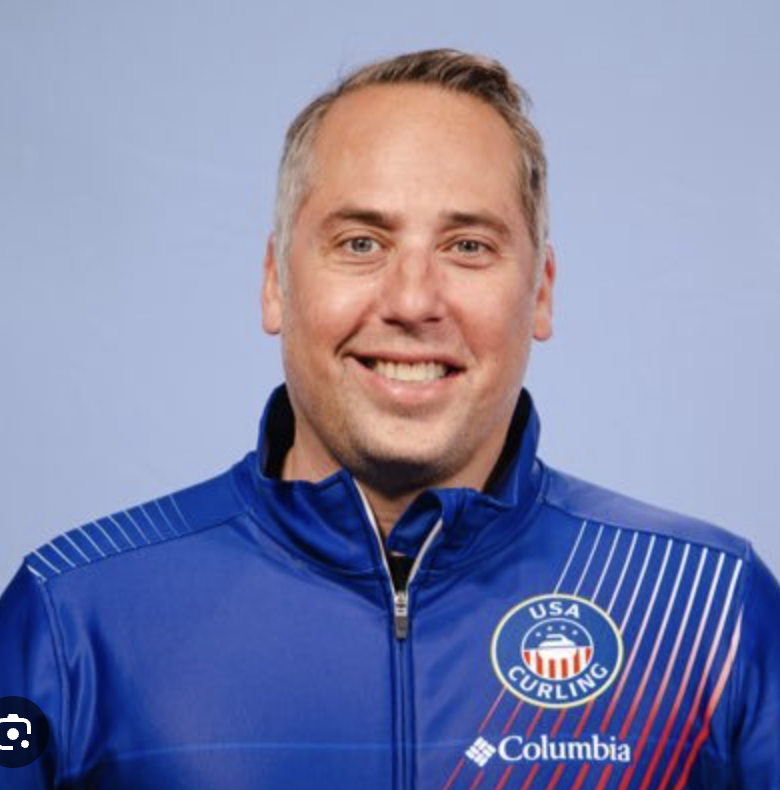
Drobnick
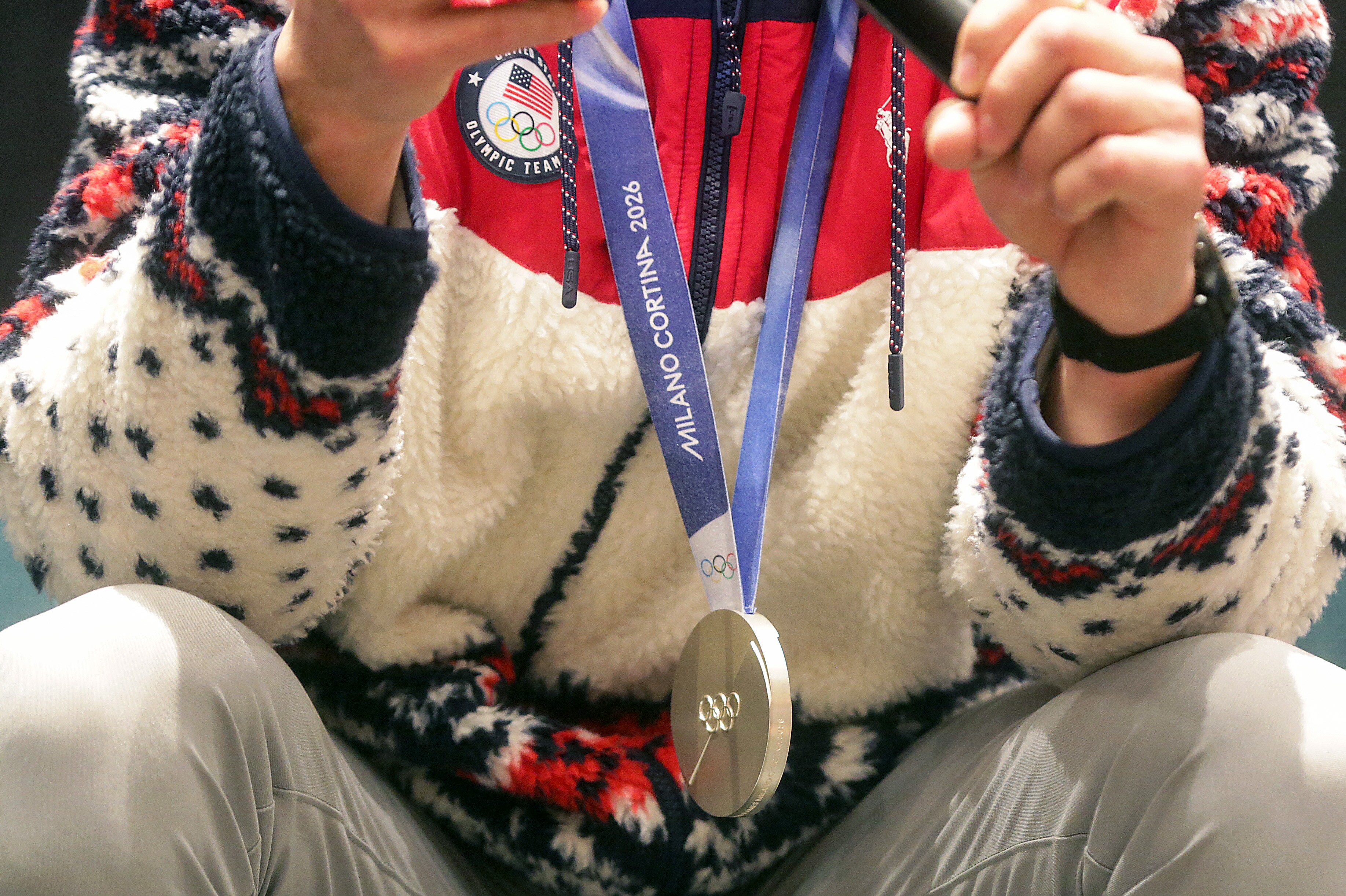
Korey Dropkin’s Olympic silver medal hangs from his neck at a celebration at the Duluth Entertainment Convention Center on Friday, Feb. 27. Dropkin and Corey Thiesse, both of Duluth, represented the United States at the 2026 Winter Olympics in Italy in mixed doubles curling.


This past November, Danny Casper and his team of young curling upstarts did something shocking: They defeated the Olympic gold medal-winning Team Shuster at the Olympic Trials, dethroning a history-making group of curlers who were seen as legends in our sport, unexpectedly snatching away their chance — no, expectation — of attending the 2026 Winter Olympic Games in Milano-Cortina, Italy.
Team Shuster is made up of gentlemen, but the loss hurt badly. Two of them had played together since they made history as the first Americans to win a gold medal in curling at the 2018 Games in Pyeongchang, South Korea. Several had already announced this upcoming Olympics would be their last. To say they were looking forward to it was a grave understatement.
But in the moments after losing to Team Casper by just a hair, and with devastation still on their faces, Team Shuster walked over to embrace the young up and comers, promising to root for them during the Olympics. Some of them traveled to Cortina and cheered them on from the stands. They immediately shifted their focus on how best to support these young athletes during their medal run, burying the competitive feelings that were so strong just moments prior.
Rivals to teammates, in an instant.
The Olympic Games are special in many ways, but the spirit of unity that takes over during the Olympics is what I remember most when I reflect on my 20-year career as head coach for USA Curling. Now that I am home from what was my fourth and final Games, that’s the lesson that has stuck with me above all others. It’s a uniquely American idea, that no matter our differences, we are one: the United States of America.
This was my constant message to my teams during our Olympic run: “one Team USA.”
You saw displays of unity in our sport, but also in others. Bitter rivals during the NHL season became brothers in the Olympic Village and, ultimately, Olympic hockey champions. American snowboarding star Chloe Kim graciously celebrated South Korean Choi Gaon, who defeated her for the halfpipe gold medal. And figure skating, notoriously competitive, saw Amber Glenn, Alysa Liu, and Isabeau Levito forming a bond so close the media branded them the “Blade Angels.”
When I look around at our political landscape here in Minnesota, though, I fear this lesson of unity has been forgotten. Tribal “sides” led to the horrifying murder of Minnesota House Speaker Melissa Hortman in her home and the terrifying events we saw with ICE in Minneapolis this winter. If we continue to treat our fellow Minnesotans as enemies rather than teammates, we’ll fail to function as a society.
We can’t let that happen.
Addressing these divisions requires the same shift in mindset I’ve seen on the ice: moving from individual rivalry to collective purpose. This is a model of leadership Minnesota’s U.S. Sen. Amy Klobuchar has practiced throughout her career. By consistently showing up in both our deep-blue urban centers and our rural Iron Range communities, she has demonstrated a leader doesn’t have to choose a side to be effective.
In moments of crisis, the most valuable person in the room isn’t the one with the loudest voice; it’s the one with the grit to find a path forward when others see only a wall. At a time when our state’s identity feels at risk, her approach reminds us that while we can compete fiercely during times of trial, our ultimate goal must be to function as one team. That is the standard we should demand for the future of Minnesota.
Every two years, the Olympics offers us a brief chance to ignore the partisan headlines and be inspired as once-rivals become teammates. Putting aside our differences and working toward unity is a virtue. We can be like that more often. We can be like that again.
Phill Drobnick of Woodbury, Minnesota, is a native of Eveleth who retired this spring after 20 years coaching USA Curling’s men’s, women’s and mixed-doubles teams.